
The Allure of Gambling
The psychology of casino players is deeply rooted in the thrill and excitement that gambling provides. For many individuals, the allure of chance is akin to a natural high, creating an emotional rush that can be both exhilarating and addictive. There’s an inherent unpredictability in games of chance that appeals to the human psyche, especially when considering online casino australia which can enhance the experience. This unpredictability can trigger the release of dopamine, a neurotransmitter associated with pleasure and reward, creating a cycle of repeated engagement as players seek to replicate that initial rush.
Moreover, various factors influence why individuals are drawn to casinos, including social interactions, ambiance, and the escape from reality. In a casino, players find themselves surrounded by lively sounds, elaborate decorations, and a sense of community that can be intoxicating. This environment enhances the excitement of the games, stimulating players’ senses and enhancing their emotional experiences. The combination of these elements can lead to prolonged periods of play, as individuals become immersed in the overall atmosphere and the social dynamics at play.
Additionally, many players are motivated by the prospect of winning large sums of money, which can lead to risky behaviors and decision-making. The potential for immediate gratification often overshadows the understanding of the risks involved in gambling. This can lead to a phenomenon known as the «near-miss effect,» where players feel they were close to winning and are thus encouraged to keep playing, often overlooking the underlying mathematical realities of the games.
The Role of Cognitive Biases
Cognitive biases play a significant role in the behavior of casino players, shaping their perceptions and influencing their gambling activities. One prevalent bias is the illusion of control, where players believe they can influence the outcome of games through their skill or strategies. This belief can lead to overconfidence and increased betting, as players feel empowered to affect the results despite the inherent randomness of many games. This psychological misperception creates a risky cycle, fueling further gambling even when the odds are stacked against them.
Another common bias is the gambler’s fallacy, where players mistakenly believe that past events can influence future outcomes in games of chance. For instance, a player might think that after a series of losses, they are «due» for a win. This fallacy can lead to prolonged gaming sessions and increased bets, as players chase their perceived chances of hitting a winning streak. Understanding these cognitive biases is essential for recognizing the psychological triggers that keep individuals engaged in gambling behaviors, often despite detrimental financial consequences.

Additionally, confirmation bias can also affect players, as they tend to remember wins while conveniently forgetting losses. This selective memory reinforces their belief in their own strategies and luck, perpetuating the gambling cycle. By focusing on their successes and dismissing failures, players create a skewed perception of their gambling experiences, making it difficult for them to evaluate the risks realistically. These cognitive biases contribute significantly to ongoing participation in casino gaming, leading many individuals to spend more time and money than they initially planned.
The Impact of Social Factors
The social environment surrounding gambling significantly influences the behavior and psychology of casino players. Casinos are often seen as social hubs where individuals gather to relax, socialize, and enjoy entertainment. The interaction among players can enhance the overall gambling experience, with shared moments of excitement and camaraderie building a sense of community. This social aspect can lead to increased engagement, as players are encouraged to participate together, further entrenching them in the gambling environment.
Moreover, the influence of peer pressure cannot be underestimated. Individuals may feel compelled to gamble more or stay longer in casinos due to friends’ or acquaintances’ actions. This dynamic can create a reinforcing cycle where individuals engage in gambling behaviors to feel accepted or to fit in with their social circles. In some cases, this can lead to a sense of competition among players, pushing them to take risks they might otherwise avoid, further exacerbating gambling behavior.
The presence of social support, however, can also play a role in mitigating excessive gambling. Some players may turn to their peers for guidance and accountability, recognizing the potential risks of their actions. Being part of a supportive community can create awareness and facilitate healthier gambling practices, encouraging players to take breaks or set limits on their spending. Understanding the dual impact of social relationships can provide insights into fostering healthier gambling habits and promoting responsible gaming in casino settings.
Emotional Motivations Behind Gambling
The emotional motivations behind casino gambling are complex and multifaceted. Many individuals gamble to escape from their everyday stresses or to cope with negative emotions. For some, the casino environment offers a temporary reprieve from personal challenges or emotional turmoil, allowing them to immerse themselves in a world of excitement and possibility. This emotional escape can be dangerously enticing, as it often leads to repeated gambling as a coping mechanism rather than addressing underlying issues.
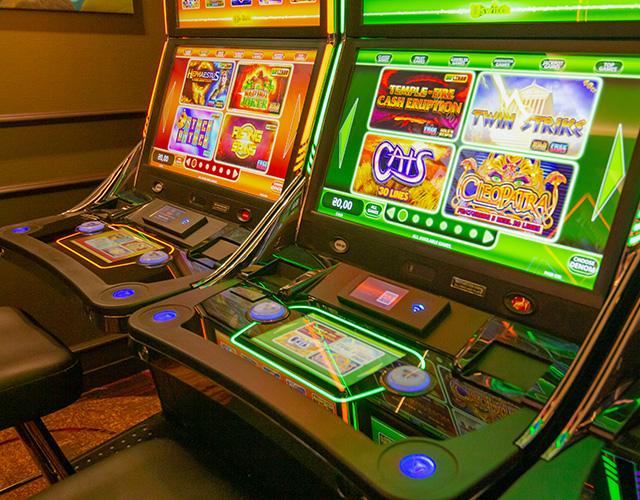
Additionally, feelings of excitement and enjoyment also play a crucial role in why people engage with casino games. The thrill of gambling can stimulate positive emotions, and players often seek out this high-stakes experience to lift their mood. However, the pursuit of these transient highs can result in compulsive gambling behaviors, where players continuously seek out that exhilarating rush, risking their financial stability and personal relationships in the process.
The interplay between emotions and gambling behavior highlights the need for awareness and understanding of one’s motivations. Players must recognize when they are gambling primarily for emotional reasons and consider healthier coping strategies for managing their feelings. By addressing the underlying emotional triggers and seeking alternative outlets for stress relief, individuals can develop a more balanced approach to gaming and help mitigate the risks associated with excessive gambling.
Understanding Player Behavior on Gaming Websites
The rise of online gaming websites has transformed the landscape of gambling, yet the psychology behind player behavior remains consistent. Online casinos replicate the exciting physical environments of traditional casinos, drawing players in with visually appealing designs, interactive features, and bonuses. However, the anonymity of online play can encourage riskier behaviors, as players may feel less accountable for their actions. This detachment from reality can lead to increased gambling time and expenditure, fueled by the convenience of accessing games from home.
Additionally, online platforms often utilize tailored marketing strategies that capitalize on player psychology. Personalized promotions, targeted advertisements, and gamified experiences can create an engaging atmosphere that keeps players returning for more. By understanding the psychological triggers that drive engagement, these websites can carefully craft experiences that maintain player interest while also encouraging responsible gambling practices. Regulating such practices is vital to ensure that players are protected from potential harm.
Moreover, the availability of extensive player data allows online casinos to analyze behaviors, preferences, and tendencies, further enhancing their ability to attract and retain customers. However, with this data-driven approach comes the responsibility to promote safer gambling. Websites can implement features that help players set limits, provide resources for those struggling with gambling addiction, and encourage breaks during gameplay. Ultimately, fostering a safe gaming environment is critical to enhancing the player experience while maintaining ethical standards in online gambling.